 Mattresses
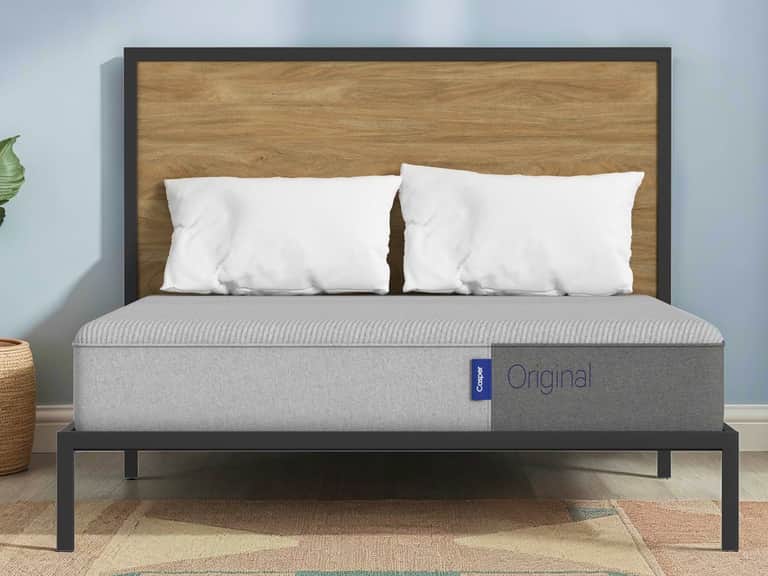
Original Mattress
Sleep cooler and float on breathable Casper Signature Foam, while memory foam cradles you and the 3-zone Zoned Support keeps your spine aligned for balanced, all-night comfort.
Foam mattresses are composed of viscoelastic or polyfoam layers designed to contour to body shape, reduce pressure points, and distribute weight evenly for improved alignment. This category highlights the core differences between memory foam and polyurethane foams, including density, firmness options, and how temperature influences feel and support over the night.
Original Mattress typically emphasizes a balanced profile with zoned support and breathable cover materials, aiming to provide stable spinal alignment and motion isolation. Key features include adaptive foam layers, medium-firm to firm options, and durability considerations that influence long-term comfort and sleep quality across diverse sleeping positions.
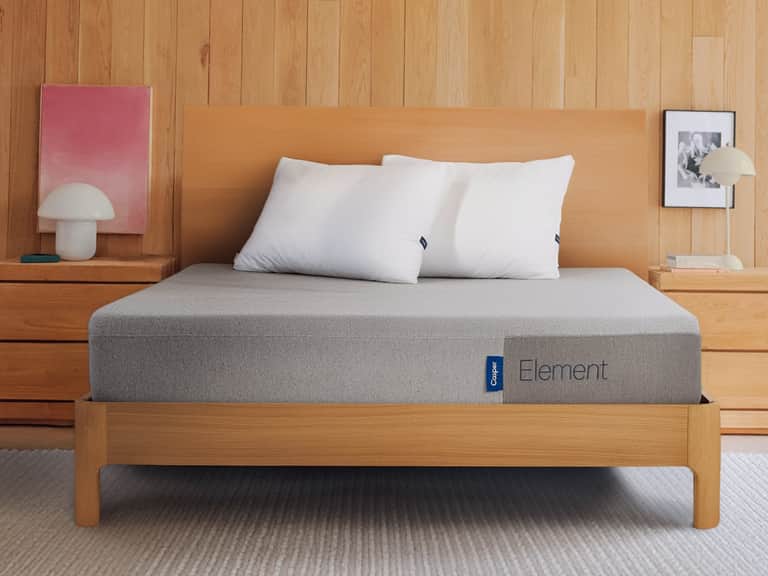
Element Mattress focuses on nuanced contouring and targeted comfort with multiple foam densities and transitional layers. Functional benefits often include improved pressure relief at the shoulders and hips, reduced partner disturbance through superior motion isolation, and a consistent, supportive feel that maintains integrity over time.
When evaluating foam mattresses, consider factors such as density, resilience, and open-cell construction for airflow. Upholstery materials, cover fabrics, and the presence of any latex or other performance components can influence temperature regulation, softness, and overall durability, aligning with varied bedding needs and personal preferences.
Understanding how foam technology interacts with ergonomic principles helps explain common outcomes like spinal support, sleep surface conforming, and edge stability. This insight supports informed decisions about mattress selection, guiding choices among Original and Element configurations while integrating considerations for pillows, sheets, and organic mattress options within a holistic bedding framework.
Mattresses
 Mattresses