Comparing Natural Latex Mattress Options: Durability, Feel, and Sleep Quality
This examination of natural latex mattresses delves into the core choices that shape sleep experience: durability, feel, and the quiet science of how latex interacts with our bodies during the night. From the distinctions between Dunlop and Talalay processes to organic certifications and brand references, this piece aims to illuminate a material that sits at the intersection of comfort, health, and performance.
Natural latex has long been recognized as a responsive, resilient core material in modern sleep systems. For sleepers seeking a balance between contouring and bounce, latex offers a distinct pathway beyond the familiar all-foam or innerspring options. The material's performance is not a single, static property; it shifts with how the latex is manufactured, the presence of added certifications, and the overall construction of the mattress. In exploring these factors, readers gain a clearer map for selecting a latex mattress that aligns with their sleep preferences and health considerations.
The two main latex production methods: Dunlop vs. Talalay
Two primary processes shape the feel, durability, and response profile of natural latex foams: Dunlop and Talalay. Each process produces a mattress core with its own characteristic evenness, density, and tendency toward particular sleep sensations.
Dunlop latex is produced by pouring latex into a mold, allowing the foam to consolidate as a single block. The result is typically denser at the bottom while maintaining a consistent, supportive feel throughout. The Dunlop method often yields a robust, slightly firmer baseline with excellent durability. For sleepers who value long-lasting support that remains stable over time, a Dunlop-based core can offer dependable performance, less tendency toward rapid compression, and a grounded sense of resilience under heavier loads.
Talalay latex undergoes a more elaborate process: mixing, deaeration, flash-freezing, and full vulcanization in a three-stage factory process. The outcome is a product with uniform cell structure and a lighter, more responsive feel compared to Dunlop. Talalay latex is frequently associated with a softer, more buoyant surface while still delivering meaningful support. This texture often translates into more pronounced pressure distribution for side sleepers and a quicker rebound that can reduce the sensation of stuck-in-the-bed feeling for some individuals. The trade-off, in some cases, is a marginally lower long-term density retention, depending on the formulation and density chosen by the manufacturer.
The choice between Dunlop and Talalay is, at its heart, about the kind of sleep you want to cultivate. If you prefer a firmer, more persistent feel with maximal support across the night, Dunlop may align with those needs. If you seek a lighter, more breathable surface with a pronounced contouring response that still rebounds readily, Talalay offers a compelling path. A growing variety of mattresses now blends these approaches, leveraging the strength of each process to tailor zones of support and pressure relief across the sleep surface.
Organic certifications and material integrity
In the wellness and bedding spheres, certification matters. Certifications such as GOTS (Global Organic Textile Standard) and GOLS (Global Organic Latex Standard) help consumers identify latex mattresses that adhere to higher standards of organic content, processing, and social responsibility. Organic certification signals more than a marketing label; it indicates a chain of custody and a commitment to reducing chemical exposure and environmental impact. Some manufacturers also emphasize independent third-party testing and transparent supply chains to reassure buyers about the origin and treatment of natural latex and related materials.
Beyond certifications, the source materials—like the rubber sap used to create latex—play a crucial role in the overall sustainability and performance profile of a mattress. Proponents of natural latex stress durability as a strength: latex cores often resist body impressions and sagging over time, preserving a consistent sleep surface across a longer horizon. This longevity can translate into a favorable total cost of ownership for sleepers who value investment pieces that endure through years of nightly use.
Durability: how long will a latex mattress last?
Durability in latex mattresses is influenced by several intertwined factors: latex density (often expressed in kilogram per cubic meter, or kg/m3), the specific manufacturing process (Dunlop vs. Talalay), the presence of other foam layers, edge support, and the overall construction of the mattress core. A higher density latex generally contributes to greater indentation resistance and slower development of body impressions. However, density is not the sole determinant of longevity. The cover materials, quilting, and any reinforcement layers influence how well the bed maintains its structural integrity under daily use.
In practice, latex mattresses with Dunlop cores of higher density are often cited for their durable core, particularly in models designed to serve heavier sleepers or to support extended lifespans without significant sag. Talalay-based cores, especially in denser formulations, offer a balance of comfort and resilience, maintaining a responsive surface that continues to respond to shifts in sleeping position. When choosing between Dunlop and Talalay for durability, it helps to align density with body weight and preferred sleep position, recognizing that many brands offer hybrids that combine latex with other foams or springs to optimize longevity and performance.
Feel and sleep quality: contouring, bounce, and temperature
Feel is a product of the mattress’s full stack, not just the latex layer. Latex sits atop or between other layers, each contributing to the final balance of contouring, pressure relief, and bounce. A latex mattress can deliver a cushiony, buoyant surface that supports spinal alignment without creating the “off the bed” sensation found in certain dense memory foams. For many sleepers, latex provides a predictable response: a quick push-back that helps the body adjust to different sleep positions, while maintaining a degree of contouring that minimizes motion transfer.
Temperature regulation is another important piece of the sleep quality equation. Natural latex is inherently breathable due to its open cellular structure, which can facilitate airflow within the mattress core. The overall thermal performance, however, depends on the complete construction: cover fabrics, quilting, and any additional comfort layers. Some latex mattresses emphasize natural or organic cover materials that work in concert with the latex to promote breathable, cool sleep environments. For warm sleepers, this can translate into a more comfortable night, fewer hot flashes of night sweating, and a steadier sleep rhythm across the night.
Brands, categories, and how to connect materials to real products
As the market broadens, a growing number of brands offer latex-based options that aim to meet diverse preferences. In catalog descriptions and consumer-facing materials, you may encounter products described by their process (Dunlop or Talalay), their density, their certifications, and their internal layering strategy. For readers seeking tangible references, it helps to look at product pages that explicitly outline the latex stage (Dunlop or Talalay), the density, and the certifications. This transparency supports informed comparison while avoiding the pitfalls of vague marketing language.
Within the bedding landscape, certain products emphasize natural certifications and a straightforward, resilient feel. When evaluating a latex mattress, consider not only the latex core but also how the surrounding materials contribute to pressure relief, edge support, and overall sleep comfort. A well-constructed latex mattress can provide long-lasting comfort with a clean, low-odor profile, a feature that matters for sleepers with sensitivities or for those who favor a more neutral sleeping climate.
Practical guidance for selecting a latex mattress
Choosing a latex mattress should start with a clear understanding of your sleep position, weight, and personal preferences for contouring and bounce. Side sleepers may benefit from a slightly plusher latex feel to alleviate shoulder and hip pressure, while back and stomach sleepers may prefer a more balanced, moderately supportive surface that maintains spinal alignment without excessive sink. The mattress’s overall feel is a composite result of the latex core and the rest of the layers, including comfort foams, springs, and the quilted cover.
When shopping, look for explicit information on the latex’s production method (Dunlop or Talalay), density ranges (often reported in kg/m3), and any organic or certifications that align with your values. Reading product specifications that detail the entire core and comfort stack will help you understand whether the model delivers the intended combination of support, contouring, and durability. If possible, test the mattress in person to experience the response first-hand; if shopping online, rely on reputable retailers that provide comprehensive specifications and validated consumer reviews.
A note on related products and real-world offerings
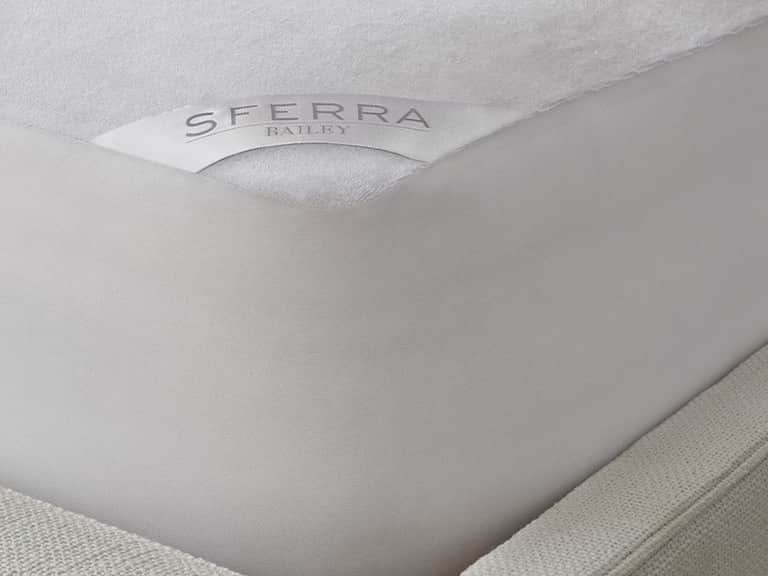
In the ecosystem surrounding latex sleep surfaces, you may encounter a range of accessory and protection products designed to extend mattress life, manage moisture, and improve hygiene. For example, a Bailey Mattress Protector offers a practical barrier against wear and spills without substantially altering the feel of the mattress. The Bailey protector is described as a cotton terry cover with a waterproof finish and elasticized sides fit up to 17 inches deep, designed for machine washing and durable nightly use. Such protection can help preserve the performance of a latex core by reducing surface wear and moisture-related degradation, contributing to a longer-lasting sleep surface.
The presence of protectors and other hypoallergenic, machine-washable options underscores a broader narrative about maintaining a comfortable, hygienic sleep environment. When selecting a latex mattress, pairing it with appropriate protective layers and breathable, natural-fiber covers can support a stable, cool, and clean sleeping climate over years of use.
Final thoughts: latex as a thoughtful, durable choice
Natural latex mattresses, whether Dunlop- or Talalay-produced, offer a compelling combination of durability, responsiveness, and comfort. The best choice hinges on aligning a mattress’s production method and density with your body type, sleeping position, and comfort preferences, while also weighing the full construction and certifications that accompany the product. In a market that often presents a wide spectrum of claims, a careful appraisal of materials, processes, and independent verifications helps transform a good night’s sleep into a consistently restorative ritual.
As sleep science continues to evolve, the conversation around latex remains anchored in tangible differences: how a core is formed, how it feels at the surface, and how it endures the tests of nightly use. For readers seeking a blend of performance and responsibility, latex mattresses—particularly those with clear certification and transparent manufacturing details—represent a resilient, high-quality option that can elevate the quality of rest for years to come.
Product spotlight: Bailey Mattress Protector
While exploring the durability and protection needs that accompany a latex-based sleep surface, the Bailey Mattress Protector exemplifies the practical complement to a premium core. This product, featured as a cotton terry protector with a waterproof finish and elasticized sides, offers a secure fit for mattresses up to 17 inches deep. It is designed for machine washing and aims to preserve the original feel of the bed while providing robust protection against accidents and general wear. In reviews of protective accessories, such items are often cited as essential companions to extend the life of a high-performance mattress, including latex cores that rely on stable surface conditions to maintain their resilience.
Among its notable attributes are its pragmatic construction, durability, and ease of care. By coupling a latex mattress with an appropriate protector, sleepers can experience ongoing support and cleanliness, two pillars that support restful nights and long-term satisfaction with a sleep system.
For readers who want to delve deeper into latex options, this article has foregrounded the core distinctions between production methods, durability considerations, and practical influences on sleep quality. The goal is not to champion a single brand or model but to provide a framework for evaluating latex mattresses in a way that translates into reliable nightly rest.
Meta keywords: natural latex mattress, Dunlop vs Talalay, organic latex, latex mattress durability, sleep quality latex