Bedding · Sleep Comfort
Wool-Filled Toppers: How Loft and Care Affect Sleep Comfort
A wool-filled topper can soften a mattress and influence how the bed handles warmth and moisture, but the experience depends on more than the fiber itself. Loft, fill composition, construction, fit, and care all shape how the layer feels—and how well it suits everyday life.
A mattress is a system, not a single surface. Its core supplies most of the support; sheets, pads, and toppers influence what the sleeper feels at the surface. A wool-filled topper sits in that middle ground. It can add a little cushioning and alter the bed’s temperature and moisture experience without changing the mattress underneath.
That distinction matters. A topper may make a firm mattress feel more forgiving, but it cannot reliably correct a sagging or badly worn support core. Nor does a thicker layer automatically mean a more comfortable bed. The useful question is not simply whether wool is appealing, but how much loft the topper offers, what the fill contains, how it is secured, and what maintenance the construction allows.
For shoppers comparing a wool mattress topper with other bedding layers, those details are practical predictors. They affect the feel on the first night, the ease of making the bed, and the amount of care required over months of use.
What a wool-filled topper changes
A topper is a comfort layer placed above the mattress and beneath the fitted sheet. Depending on its thickness and construction, it can add cushioning, create a more yielding surface, or provide a modest buffer between the sleeper and the mattress. Wool’s role is different from that of a dense foam core: it is a natural fiber fill, generally arranged in a quilted or otherwise contained layer rather than designed as a deep, body-contouring support structure.
Wool fibers can absorb and release moisture, a characteristic that helps explain why wool bedding is often chosen for its moisture-management qualities. The effect is not a guarantee that every sleeper will feel cool or dry. Room temperature, pajamas, sheets, mattress materials, and personal heat sensitivity all matter. But a breathable wool layer may contribute to a less clammy-feeling sleep surface for some people.
Wool can also provide warmth. That does not mean it must feel excessively hot: its performance depends on the amount and arrangement of the fill, the fabrics enclosing it, and the rest of the bed. A lightweight, breathable construction may feel quite different from a dense, highly padded one. Treat material descriptions as useful clues, not a substitute for considering the whole sleep setup.
Loft: the visible clue to cushioning
Loft describes the height or puffiness of a filled layer. In a topper, it offers a rough indication of how much material sits between the sleeper and the mattress. More loft may create a plusher initial feel, while a lower-profile layer tends to make a subtler change. The relationship is not exact: fill density, quilting, fiber resilience, and how the topper is held in place all influence the final sensation.
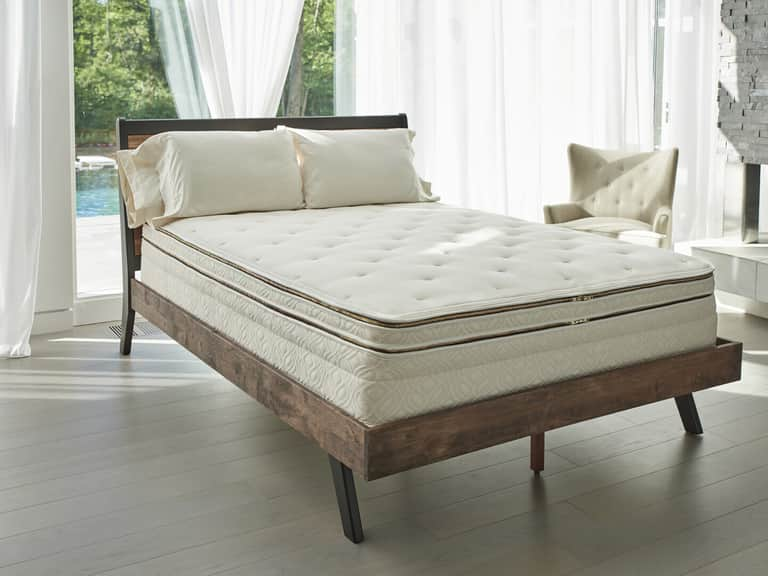
Consider the mattress first. If it is sound but feels slightly too firm at the surface, a topper with moderate loft may make the first contact feel gentler. If the mattress already has a soft pillow top, adding another lofty layer could make the bed feel less stable or overly cushioned. For a mattress with a significant dip, extra loft is unlikely to restore even support. In that situation, the underlying condition deserves attention before a topper is used as a workaround.
Sleep position can help frame the decision, although it does not dictate a single correct thickness. Side sleepers often notice pressure at the shoulder and hip, so a little more surface cushioning may be welcome. Back sleepers may prefer a more restrained layer that preserves a sense of support beneath the torso. Stomach sleepers commonly want to avoid an excessively yielding surface. Body shape, personal preference, and mattress firmness remain important variables.
When product details do not state a precise loft, look for construction clues: the amount of fill, the quilting pattern, whether the layer is described as a pad or topper, and how it attaches. A thin wool mattress pad is usually intended as a lighter surface layer and mattress barrier; a topper generally suggests a more noticeable comfort change, though naming conventions vary. Ask for actual thickness measurements when they are available rather than relying on labels alone.
Fill composition matters as much as the fiber name
“Wool-filled” does not always mean a product contains only wool. Some constructions use wool as the main fill; others blend wool with additional batting. The outer shell may be cotton or another fabric, and quilting may divide the fill into channels or compartments. Each choice affects feel, breathability, durability, and care.
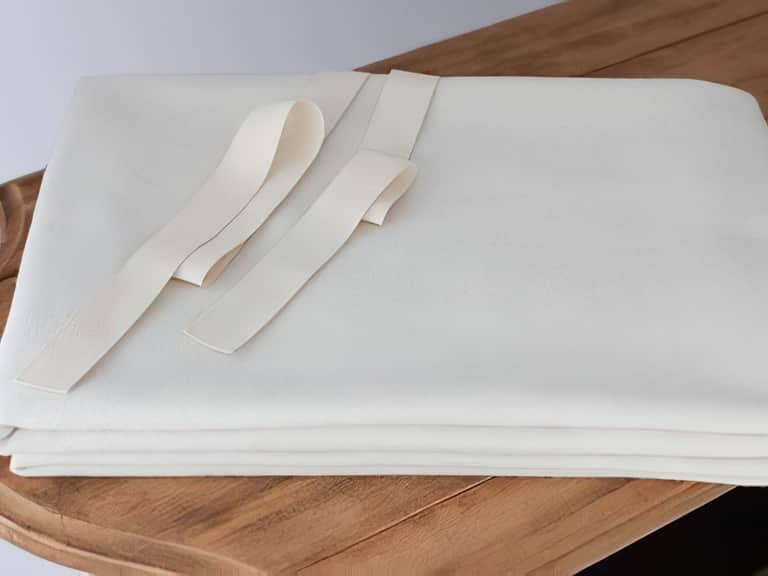
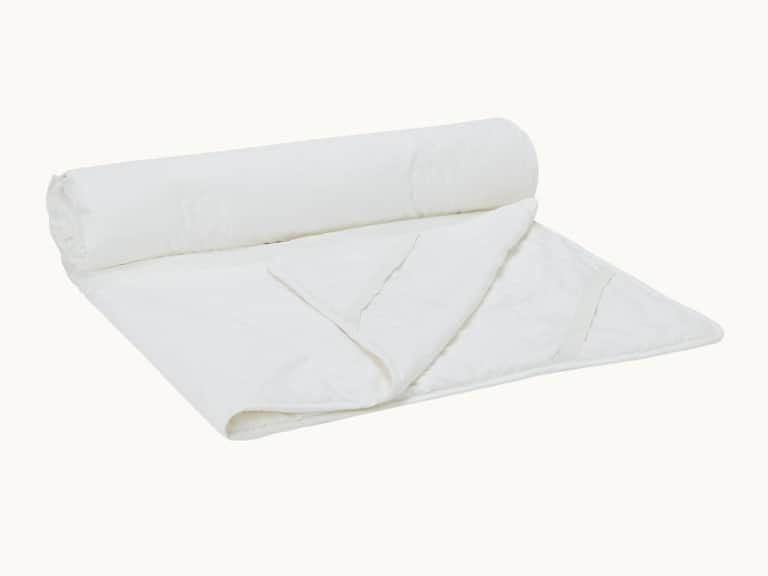
For example, a washable wool-filled mattress topper described as containing 85% wool and 15% plant-based batting is a blend rather than an all-wool construction. Its organic cotton sateen shell and corner straps are also relevant: the shell shapes the handfeel, while the straps help keep the layer from moving. Its stated care instructions—cold wash on a gentle cycle with like colors and low-temperature tumble drying—are central to deciding whether it suits a household’s routine. See the Washable Wool Filled Mattress Topper for an example of this kind of construction.
Blends are not automatically better or worse. A product may combine fibers to achieve a particular feel, durability, or care profile. What matters is transparency: the fill percentages, shell material, construction, and care label should be clear enough to compare. If a description uses broad phrases such as “natural fill” without specifying contents, seek the full material breakdown before deciding.
Wool also varies by source and processing. Descriptions such as washable, organic, or responsibly sourced refer to particular product features or standards and should be understood in context. They do not, by themselves, establish how a topper will feel, how long it will last, or whether every component has the same certification. Check the claims and certifications that matter to you, along with the product’s complete specifications.
How to judge the fit with your mattress
A well-chosen topper should stay reasonably flat and secure. A shifting layer can bunch beneath the fitted sheet, creating unevenness and making an otherwise comfortable bed frustrating to use. Before choosing, check whether the design uses corner straps, ties, an elastic skirt, or another fastening method. Confirm that the attachment works with the mattress dimensions and depth.
Corner straps can be useful when a topper is designed to sit directly on the mattress, but fit still depends on the bed’s size and profile. Measure the mattress, including any existing pillow top or padded cover, and compare those measurements with the topper’s stated dimensions. Check whether the straps are adjustable and whether they can reach around your mattress. A fitted sheet must also accommodate the added height of the topper and any protector underneath it.
Layer order is worth considering. A topper usually goes on the mattress, with a protector and fitted sheet arranged according to their designs and care instructions. A protective layer placed over a topper can help keep the fill cleaner, but a tightly fitted or non-breathable cover may change the feel and airflow. Review the instructions for each component rather than assuming that all bedding layers can be stacked in any order.
If two people share a bed, a new topper can change the surface feel for both sleepers. Different preferences in firmness, temperature, and cushioning may call for a conversation before buying. A trial period, if offered, can be helpful, but it does not replace checking return terms and hygiene rules. A comfortable fit is both a tactile question and a practical one.
Care is part of the comfort equation
Wool care varies considerably. Some wool blends are designed for machine washing; other products require hand washing, spot cleaning, line drying, or professional care. The word “wool” alone does not predict the right method. The care label takes priority over general advice, because washing a topper in a way its construction cannot tolerate may cause shrinkage, clumping, distortion, or damage to the shell and quilting.
A washable design can be appealing for households that want to clean bedding at home, but “machine washable” still comes with conditions. Follow the stated water temperature, cycle, detergent guidance, and drying instructions. A gentle cold cycle and low-temperature drying, for instance, are different from a hot wash and high-heat tumble. Avoid improvising with bleach, fabric softener, or other products unless the label expressly permits them.
For a topper that calls for hand washing or spot cleaning, keep the cleaning method limited to what the manufacturer recommends. Some wool-filled products are not intended for routine full immersion. If a product calls for line drying, give it enough time and air circulation to dry thoroughly before remaking the bed. Damp filling should not be put back into regular use.
Regular maintenance does not always mean frequent washing. Use a washable fitted sheet, air the bed when convenient, and address spills promptly according to the care instructions. Rotate or reposition the topper if its design allows and the manufacturer recommends it. These small habits may help reduce the need for intensive cleaning, but they do not replace label-specific care.
A simple care checklist
- Read the care label before the first wash, not after a spill.
- Check whether the entire topper is washable or only its cover, if removable.
- Use the specified cycle, water temperature, and detergent.
- Follow drying instructions closely; do not assume high heat is safe.
- Secure straps and smooth the fill after making the bed, where applicable.
- Store the topper clean and completely dry, in a breathable setting rather than compressed for long periods unless the maker permits it.
Care requirements should be part of the purchase decision. Someone who wants to launder bedding at home may find a washable blend more convenient. Someone comfortable with hand washing or professional care may have a wider range of options. Neither preference is inherently superior; the best choice is one that can realistically be maintained.
Common expectations to reset
A wool topper is not a treatment for insomnia, pain, allergies, or any medical condition. It may alter the feel of a bed, and some people may find that change helpful, but individual results vary. Claims about health outcomes deserve careful scrutiny. If a sleep problem is persistent or concerning, bedding changes cannot replace appropriate medical guidance.
Likewise, “hypoallergenic” or dust-mite-resistant descriptions should not be interpreted as a promise that a product eliminates allergens. People with wool sensitivity or a history of reactions should review materials closely and seek advice when needed. A natural fiber is still a material to which an individual may respond differently.
Nor does a topper necessarily extend a mattress’s useful life indefinitely. A surface layer can help shield a mattress from ordinary wear when used appropriately, but it cannot reverse structural wear or replace routine mattress care. Think of a topper as a way to adjust the sleep surface, not as a repair for the mattress beneath it.
A practical way to choose
Start by naming the change you want. Is the mattress too firm at the surface? Does the bed feel warm or damp? Is the goal to add a natural-fiber layer, protect the mattress, or make a small comfort adjustment? Clear priorities make product descriptions easier to interpret.
Then compare the details in a consistent order: loft or thickness, wool percentage and other fill materials, shell fabric, quilting, attachment method, mattress-size compatibility, and care. Consider how those details interact. A lofty topper may be comfortable but require deep-pocket sheets. A washable blend may be convenient but still need careful low-temperature drying. A secure attachment may matter more than a small difference in fill composition if the layer tends to shift on your bed.
Finally, set realistic expectations. A topper changes the surface feel, while the mattress remains the foundation of support. Wool can contribute cushioning and moisture management, but the sleeping environment and the rest of the bedding shape the result. The right choice is not the one with the most impressive claim; it is the one whose construction, feel, and care match your needs.
The bottom line
Wool-filled toppers can bring a softer layer and a different moisture-and-temperature experience to a bed, but performance depends on details. Loft helps estimate how noticeable the cushioning may be; fill composition reveals what “wool-filled” actually means; and construction determines fit and stability. Care instructions, meanwhile, determine whether the topper will be manageable in everyday use.
Measure the mattress, identify the change you want, compare materials and loft, and read the care label before committing. That is a quieter approach than chasing a dramatic promise—and often a more useful one. Comfort is built from the way a bed works as a whole, one carefully chosen layer at a time.