Kids mattresses are designed to support growing bodies with appropriate firmness, contouring, and temperature regulation. A suitable child mattress should align the spine, minimize motion transfer for restless sleepers, and use materials free from harmful emissions. Understanding firmness levels, core support, and cover fabrics helps parents choose a durable, age-appropriate sleeping surface.
Key features to consider include layered support systems, breathable, hypoallergenic materials, and encasements that protect against allergens. For organic mattresses, look for certifications and natural padding options that maintain a comfortable sleep surface without off-gassing. Latex and natural fiber blends are common choices that balance support and pressure relief for kids.
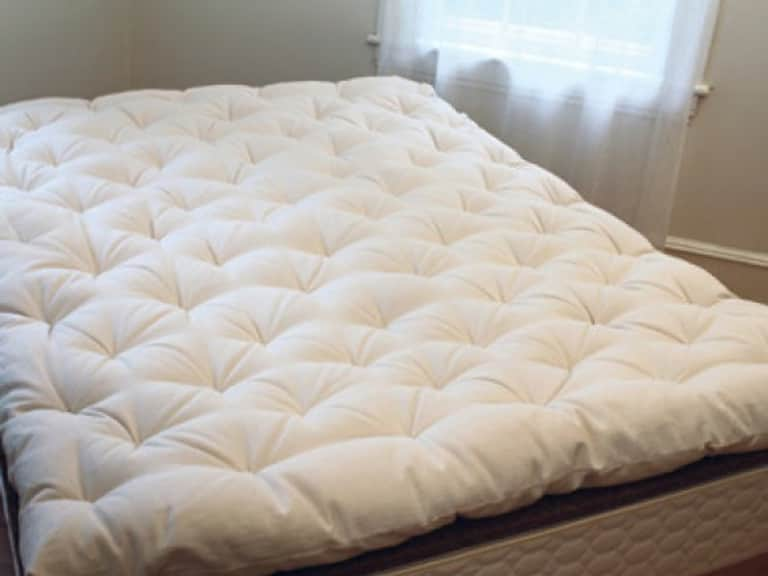
One notable example is the Savvy Rest Pastoral Wool Mattress, which combines natural wool with supportive coils to provide balanced contouring and temperature regulation. The wool layer helps wick moisture and regulate ambient warmth, while the coil system offers stable spinal alignment and durable long-term performance essential for developing children.
Beyond materials, consider size and longevity: a mattress that accommodates growth and frequent mobility supports healthier sleep habits. Removable, washable covers, breathable fabrics, and fire-safety compliant constructions contribute to a safer, more hygienic sleep environment. Understanding how these features impact usability informs better daily routines for families.
In bedding ecosystems, complementary components such as pillows, sheets, and mattress protectors influence comfort and durability. Natural and organic options reduce exposure to chemicals, while compatible textures and weaves enhance sleep quality. Familiarize yourself with the interplay between bedding fundamentals and core mattress features for well-rounded kid sleep health.
 Mattresses